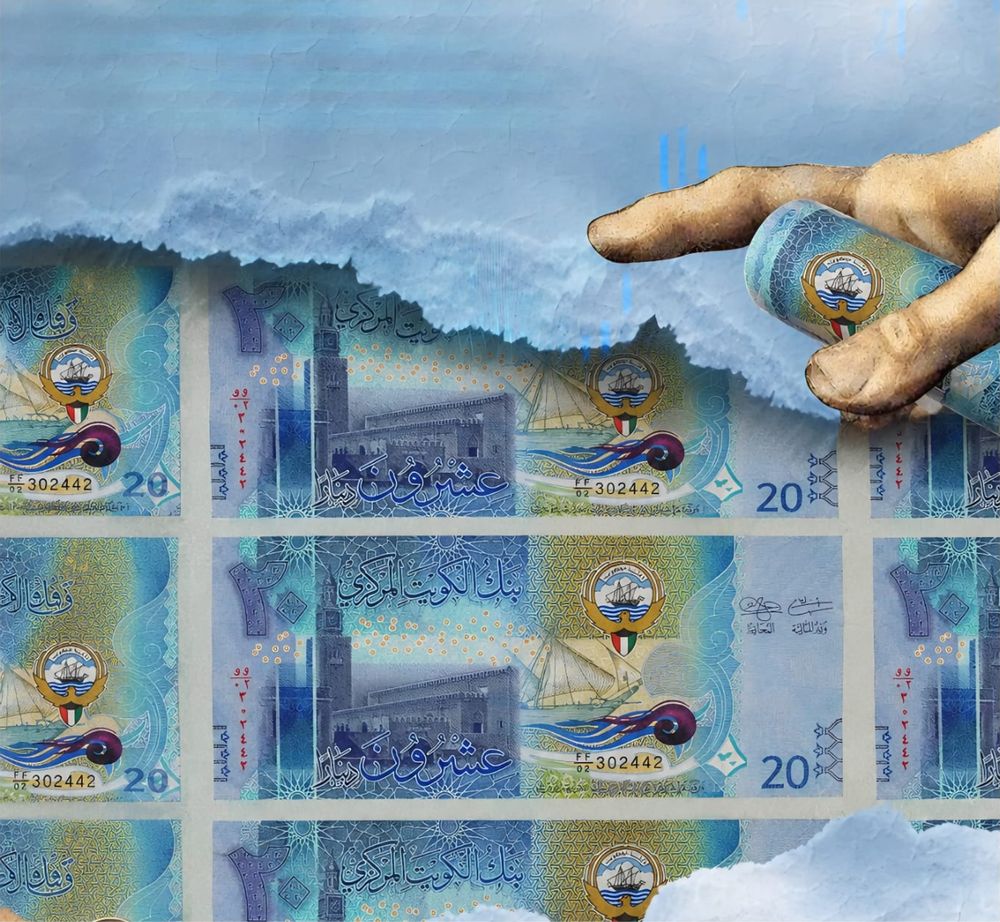
The Missing People of Kuwait: More Than 300
The story of hundreds of Kuwaiti families still waiting for answers.
By The Kuwait NationSeptember 27, 2026
The arrests
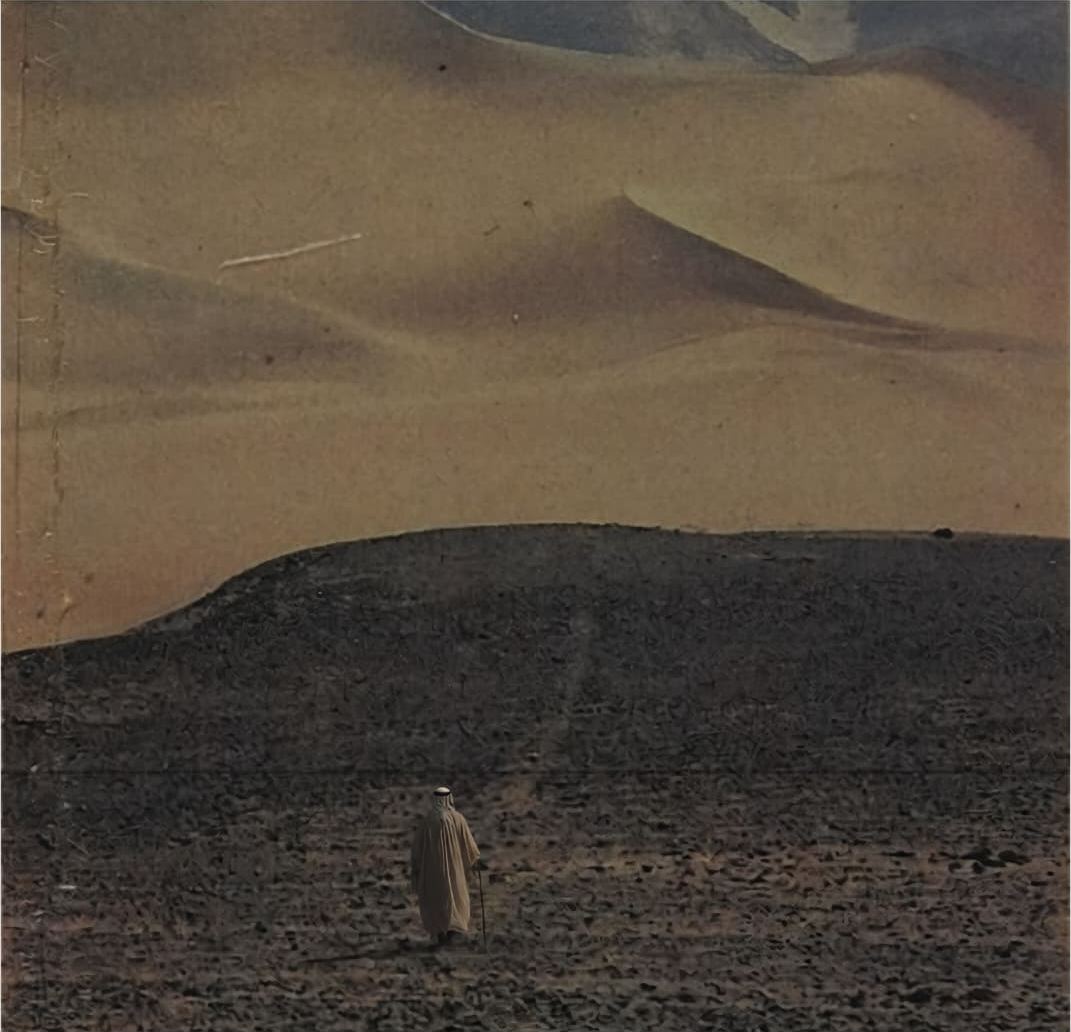
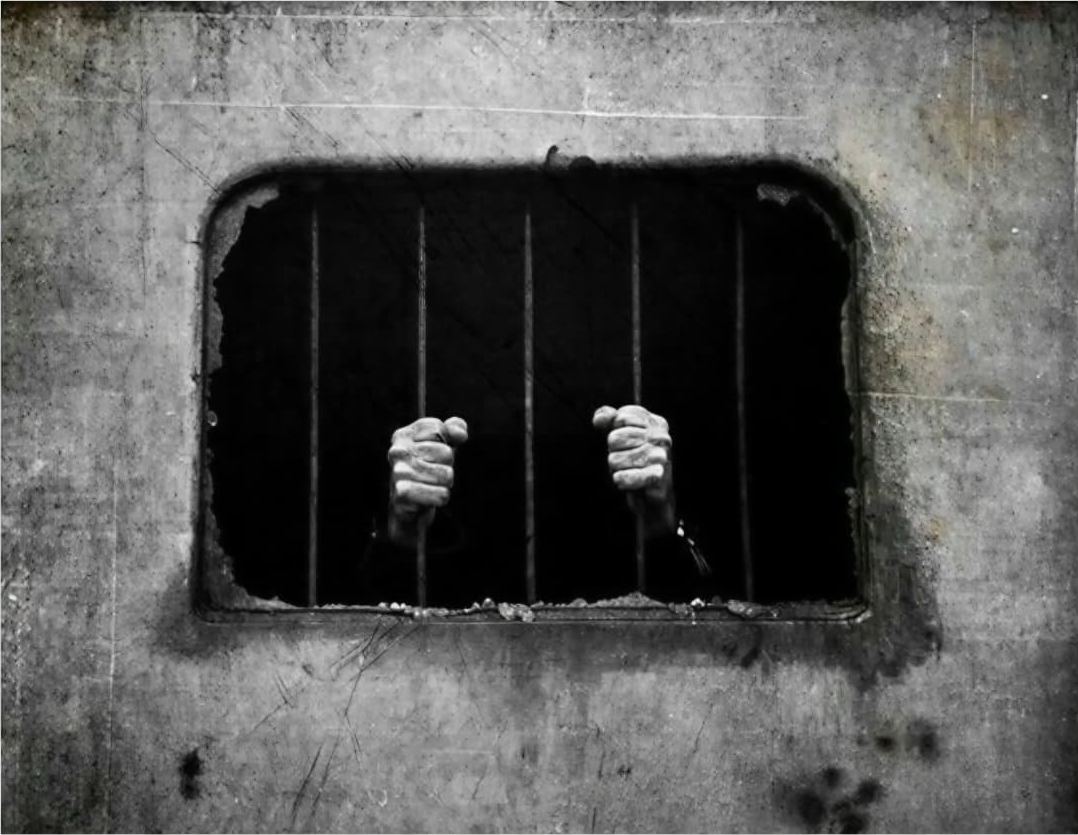
Thousands of Kuwaitis were held in schools, prisons, private houses and sports stadiums. Kuwaiti citizens and residents were arrested at random, on the street and in their homes.
It began on 2 August 1990, when Iraq invaded Kuwait. The occupation lasted seven months. A new wave of arrests came in the final days of the occupation, starting on 19 February 1991.
Across the border
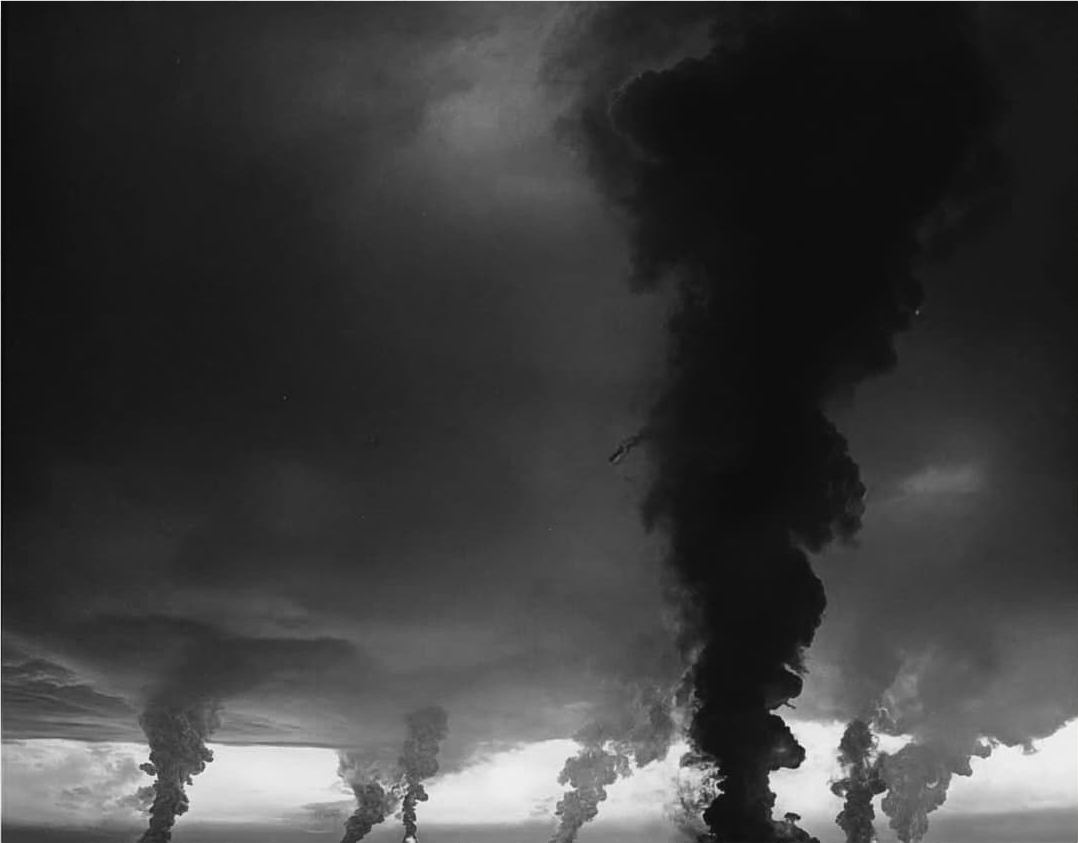
Then they were moved across the border. Thousands of detainees were transported to prisons inside Iraq. The Red Cross was not allowed to visit them during the occupation.
The Red Cross, formally the International Committee of the Red Cross, is a neutral humanitarian organization based in Geneva. Under the Geneva Conventions, it is meant to visit prisoners of war and detainees, pass messages to their families, and search for missing persons. It takes no side in a conflict.
Liberation
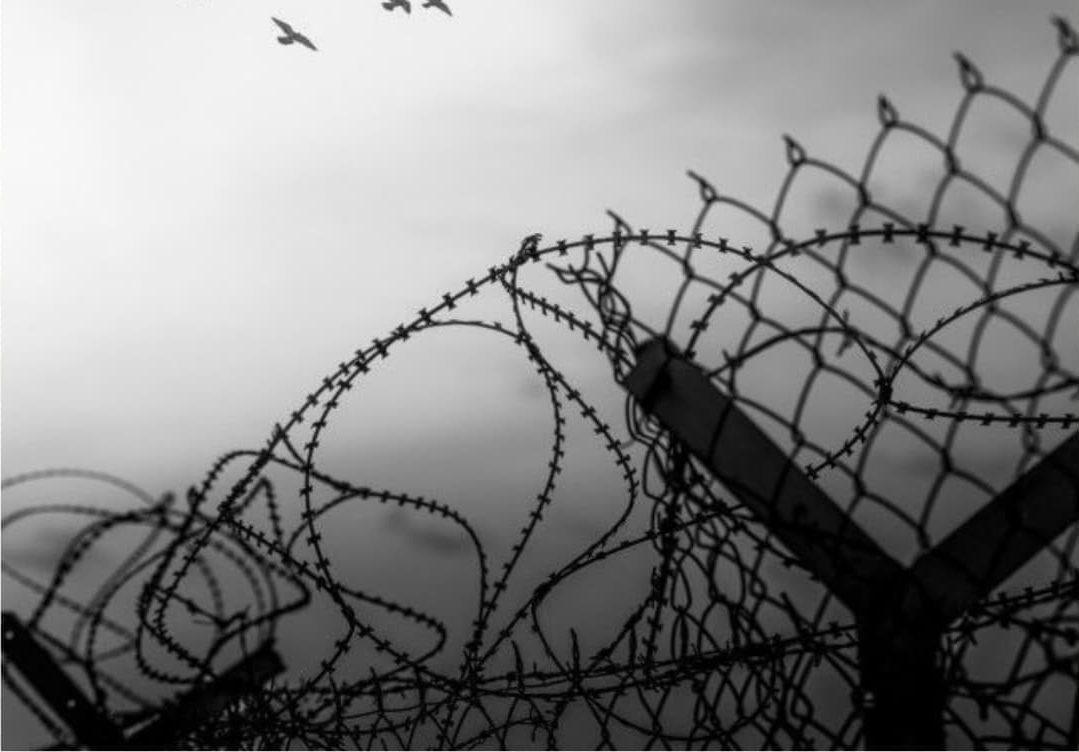
Kuwait was liberated in February 1991. Detainees began returning through the Red Cross. Some escaped during the uprising in southern Iraq and made their own way home. Not everyone came back.
The number
By 1993, Kuwait had documented 605 people taken during the occupation and never accounted for. They were citizens and other residents of Kuwait, civilians and prisoners of war. In February 1993, Kuwait compiled evidence on the cases and handed the files to the Red Cross. 605 became the official number the search is measured against.
The search begins
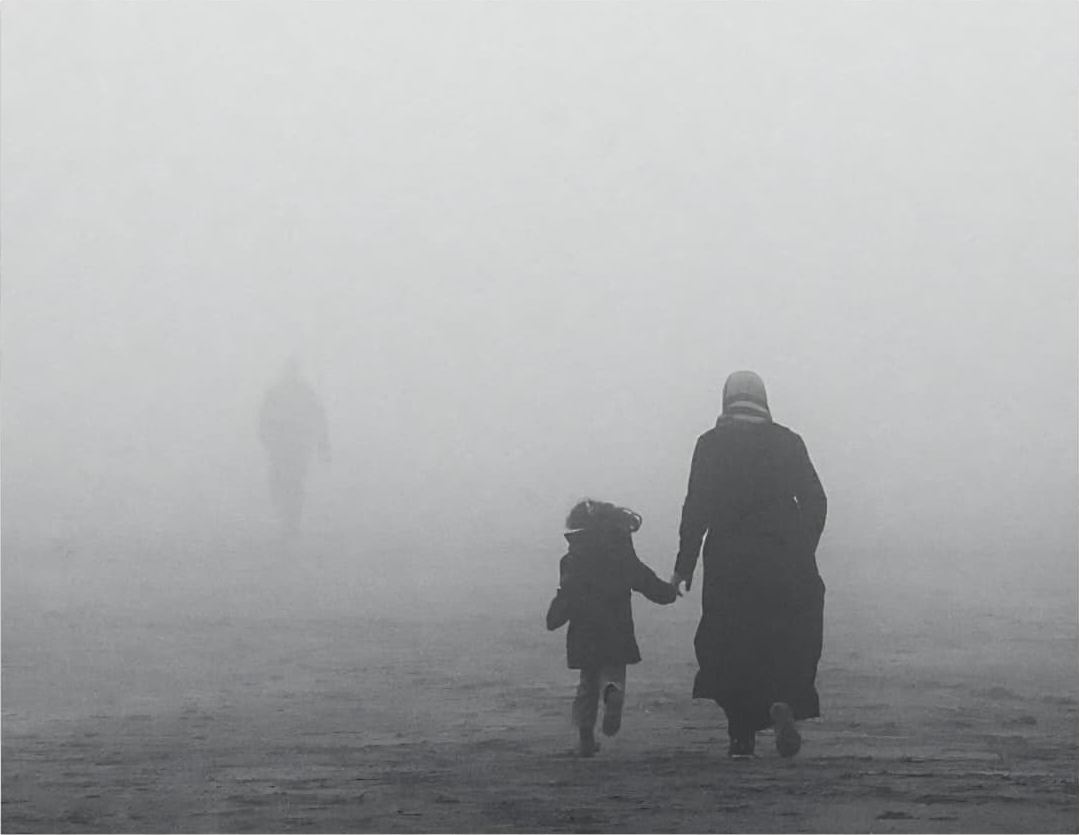
A Red Cross-led search commission had been set up. Kuwait, Iraq, Saudi Arabia, the US, the UK and France sat at the table. Its job: find the missing and return their remains to their families. In 1998, Iraq withdrew from the commission. The search continued through the UN and the Red Cross.

The search took decades
1998: A Kuwaiti association for prisoners and missing persons was established. Its first job was to gather information on what happened to them.
2003: After the Iraqi regime fell, the search moved to the ground in Iraq. Four sites were investigated: Samawah, Karbala, Ramadi and Amarah.
2005: Kuwaiti remains were found. Then nothing was found for 14 years.
In 2019, the search finally paid off
The location: Samawa, southern Iraq. Kuwaiti and Iraqi authorities searched together, with Red Cross experts. They gathered information, found new witnesses, and used satellite imagery to guide the field teams. They found remains believed to be Kuwaiti civilians and prisoners of war, at two burial sites.
On 8 August 2019, the remains of 48 people were handed over at the Safwan border crossing, wrapped in Kuwaiti flags. It had been more than 28 years since the war ended. These were the first Kuwaiti remains found in over a decade.
DNA identification
Remains had to be identified by DNA. Kuwait’s forensic department matched them against its missing persons database. More batches arrived in 2020 and 2021. By November 2021, 293 had been identified and buried.
Where it stands today
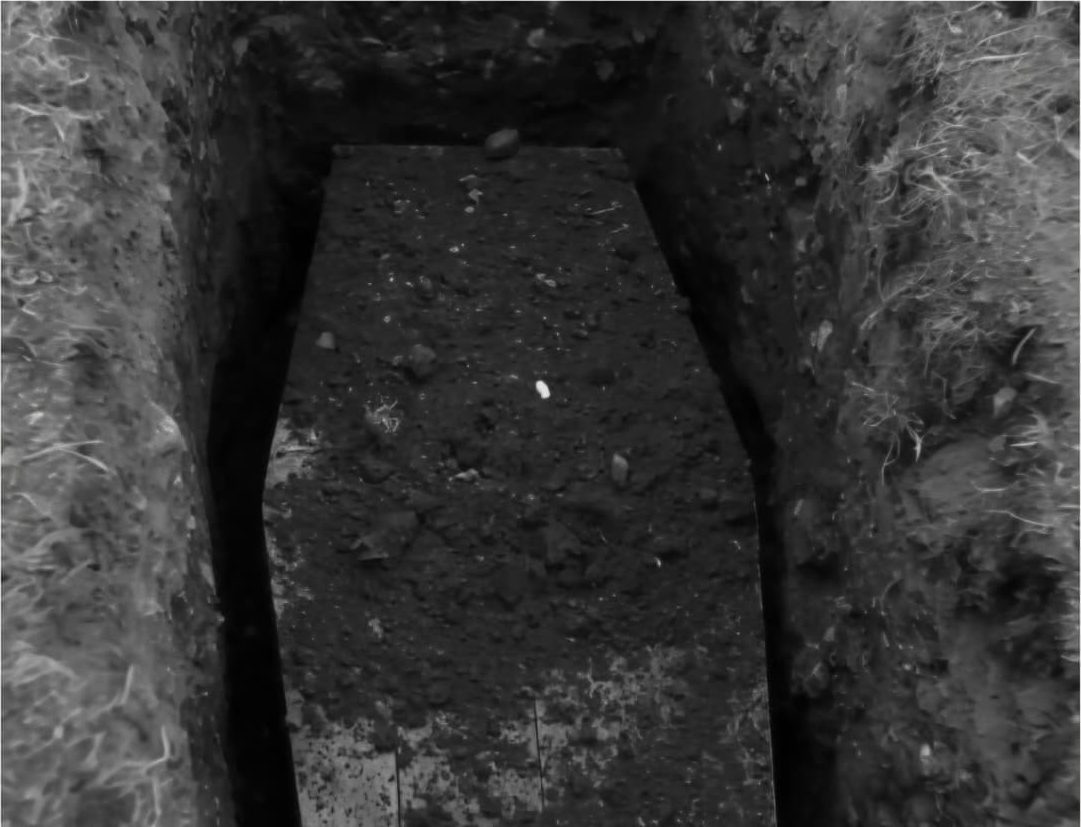
About 294 people have been returned to Kuwait and identified. More than 300 are still missing, roughly half of the original 605.
In September 2025, the UN Security Council unanimously adopted Resolution 2792. It created a dedicated UN Senior Representative for Kuwait’s missing persons and property, including the national archives. It runs until 2030, or sooner if enough progress is made. The role went to Mari Yamashita of Japan in March 2026. She has 30+ years at the UN in diplomacy and peacebuilding.
On 24 September 2026, at the UN General Assembly, Crown Prince Sheikh Sabah Al-Khaled called for continued cooperation on Kuwait’s prisoners and missing persons. Iraq also has its own missing from the war, and both countries work through the same UN process.
The file is still open. Hundreds of Kuwaiti families are still waiting for answers. Kuwait Nation prays for patience and strength for every family.