Qurainالقرين
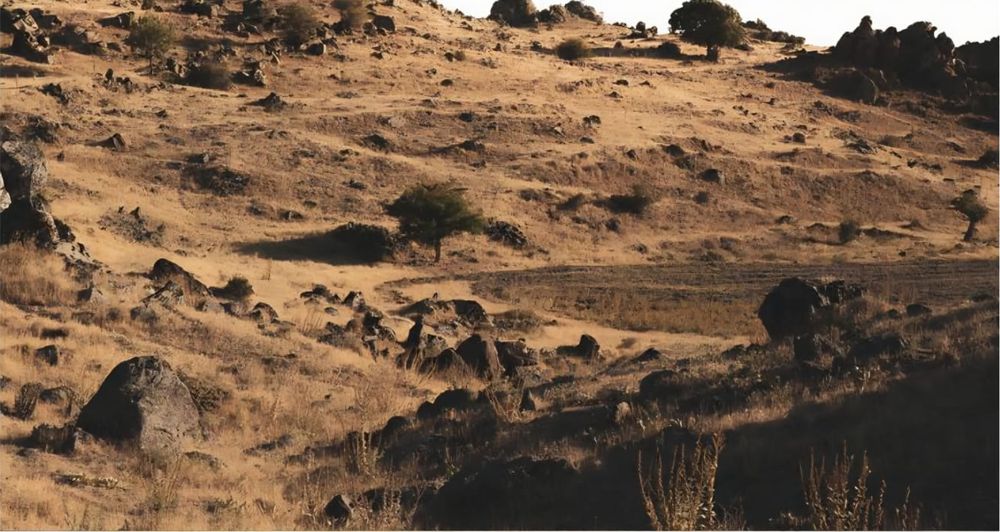
The name means “small hill.” It comes from the Arabic word “qarn,” a hill that stands alone on flat ground. Qurain was also one of Kuwait’s old names, and it appeared as “Grane” on European maps in the 1700s.

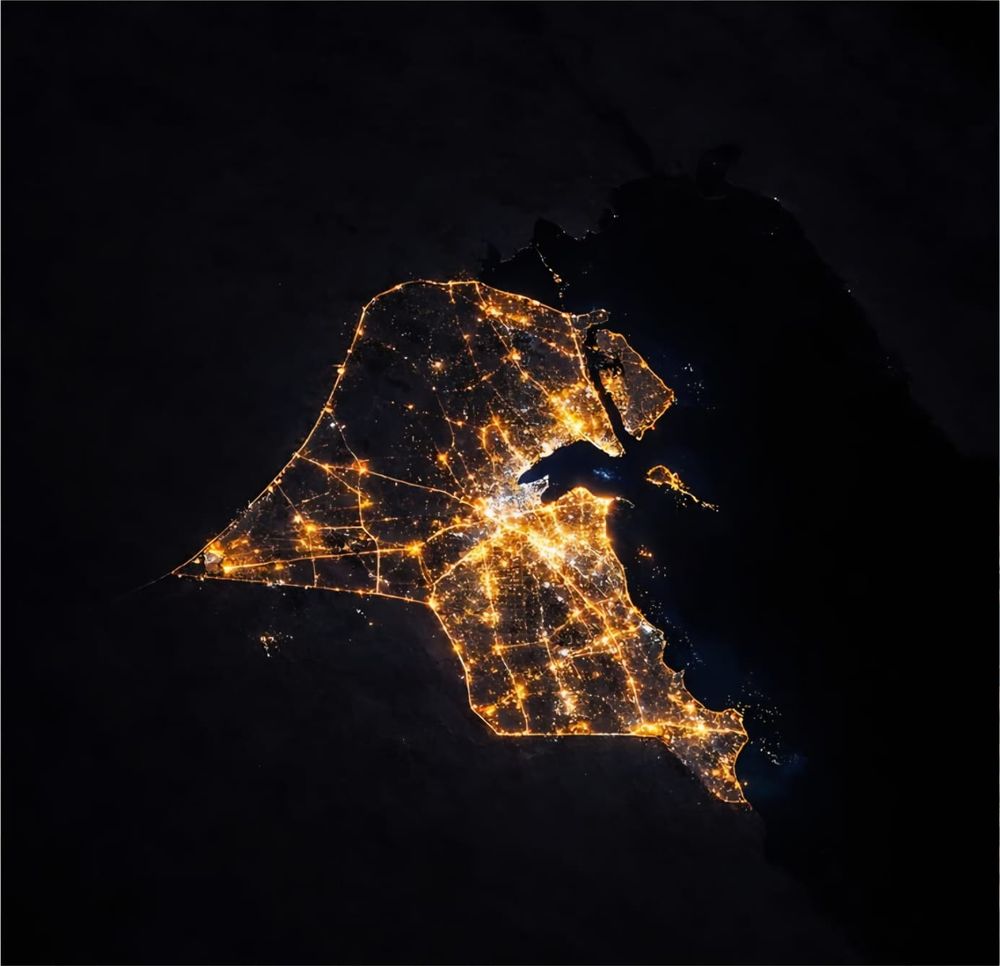
32 areas of Kuwait, and what their names mean.
By The Kuwait Nation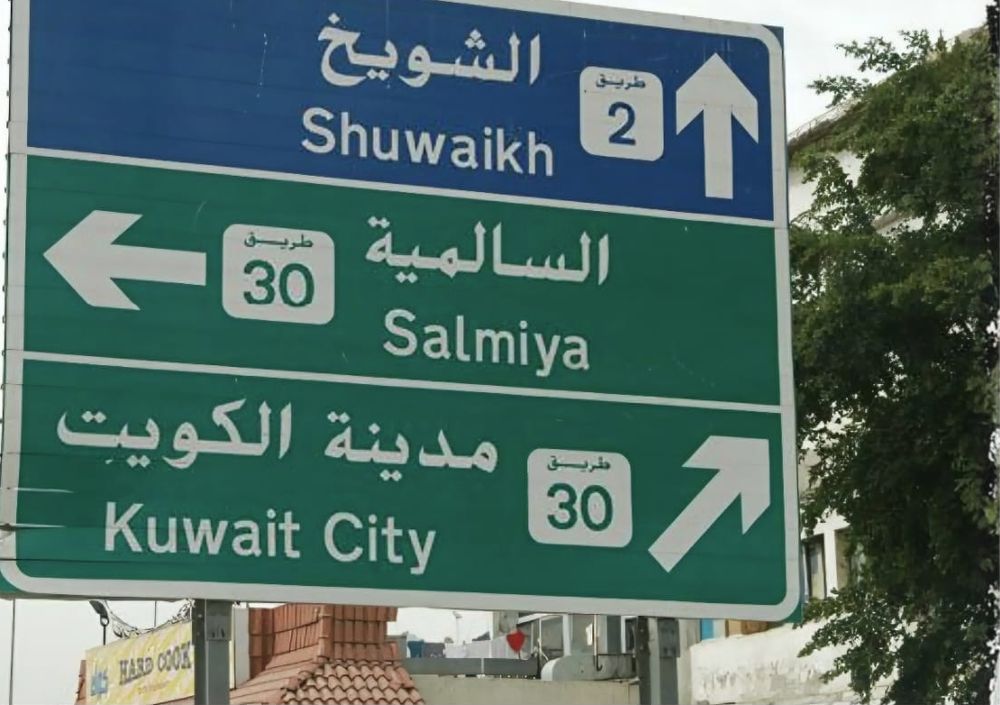
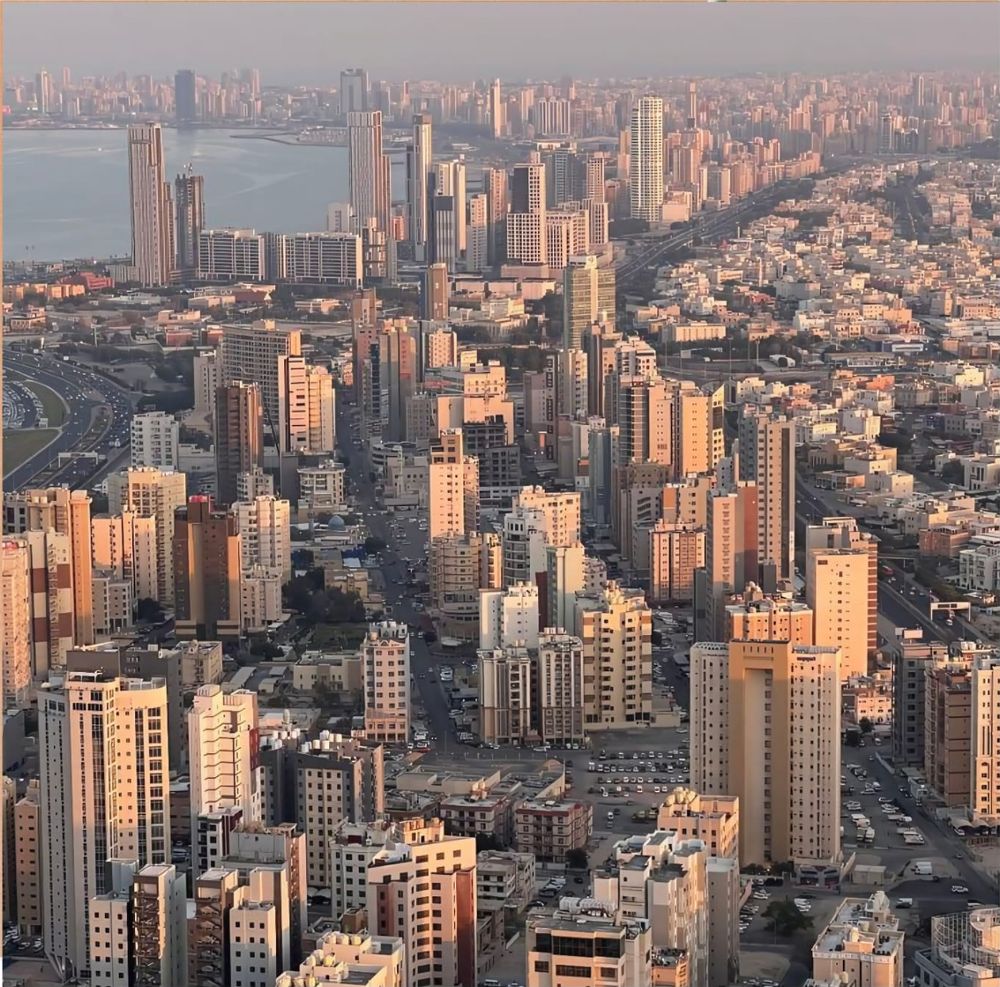
The name means “small hill.” It comes from the Arabic word “qarn,” a hill that stands alone on flat ground. Qurain was also one of Kuwait’s old names, and it appeared as “Grane” on European maps in the 1700s.

The name means “small stream.” When it rained, water ran down from the nearby hills, through the village and into the sea. Some of that water was stored underground, and the village once had up to ten freshwater wells.
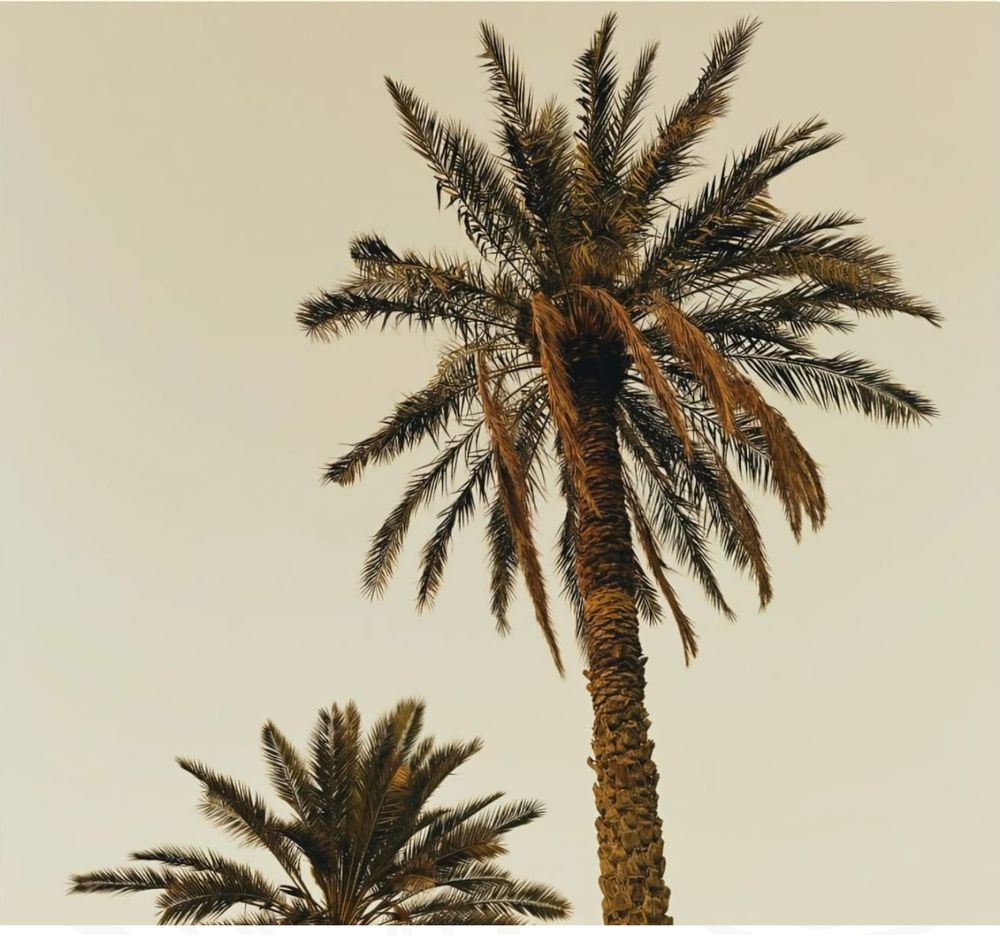
The name comes from “fahal,” the male palm tree. Fresh water was found close to the surface here, which allowed palm trees to grow along the coast. Fahaheel was one of the old villages on Kuwait’s southern shore.
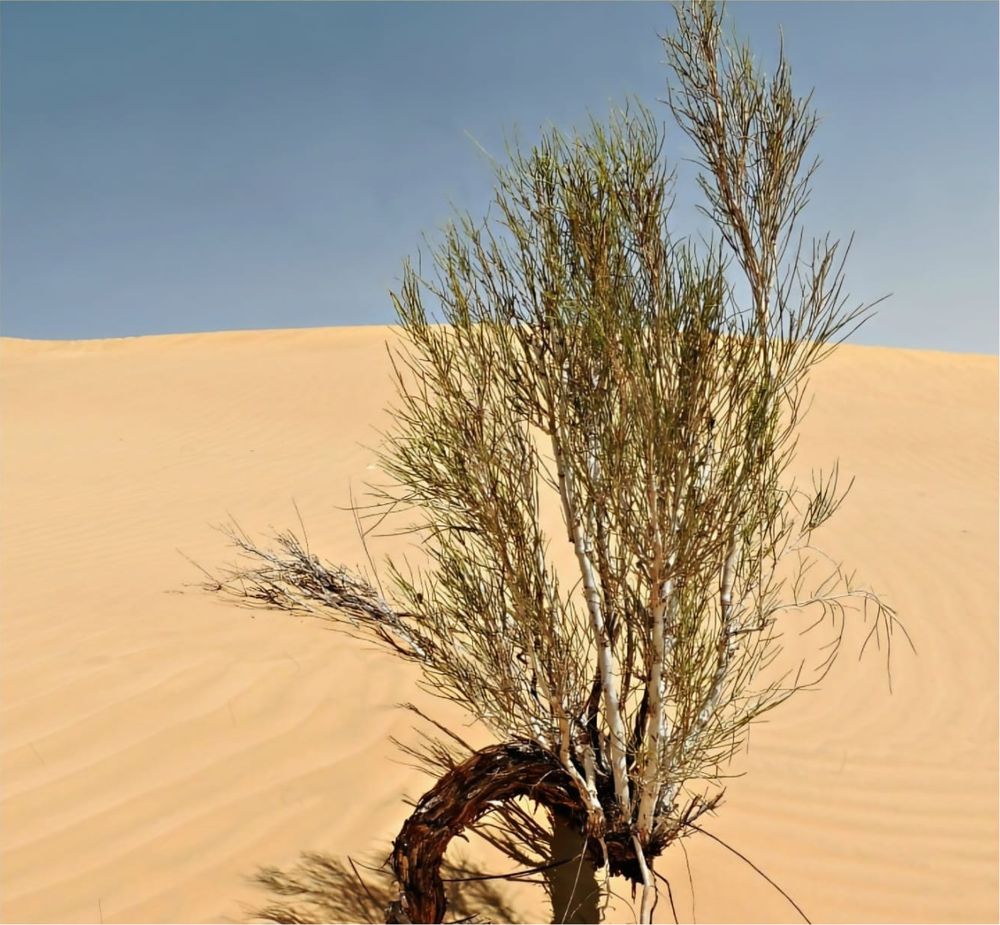
The name comes from “rimth,” a desert plant. Before the houses were built, the land was covered in it. It was used as grazing land for camels.
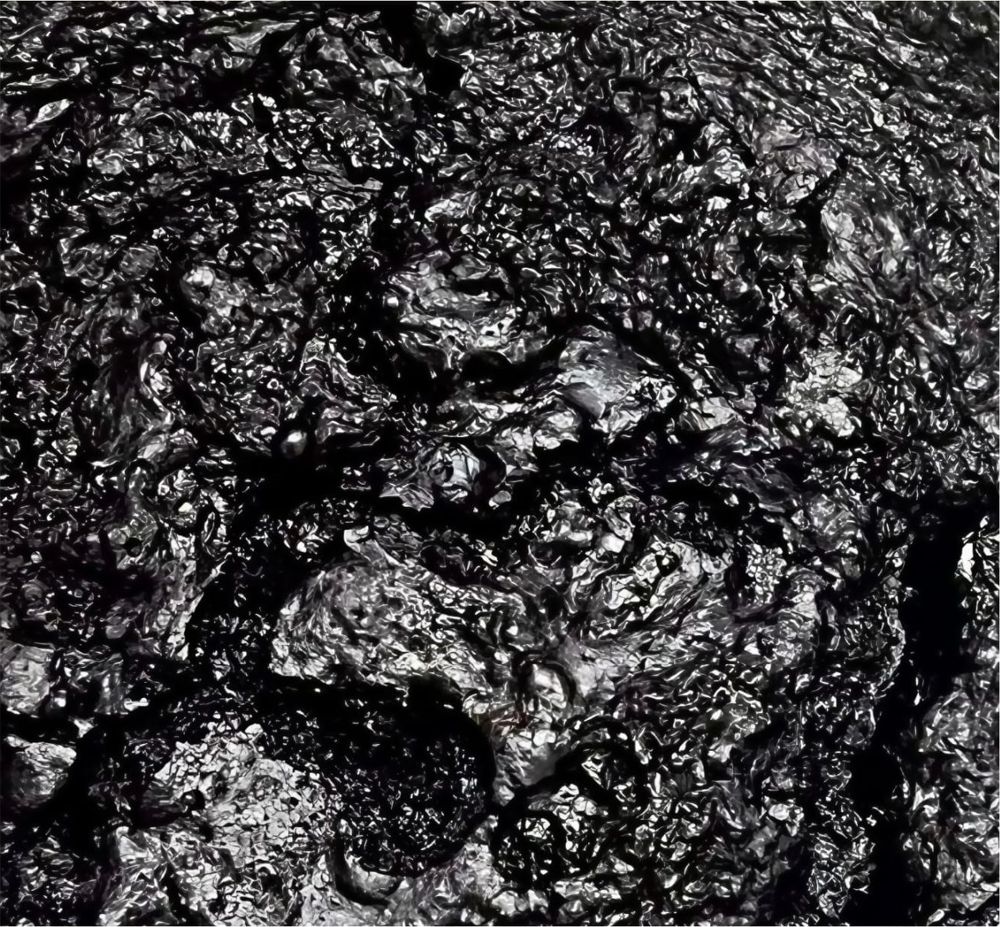
The name means “small port of tar.” “Bneid” comes from “bandar,” meaning port, and “gar” means tar. Oil seeped from the ground here and dried into tar on the rocks along the shore.

There are two explanations for the name. Some say it refers to the raised ground where the old village stood near the sea. Others say it refers to the rocky seabed, where ships’ anchors could not hold.

The name means “sea inlets.” It comes from “khor,” a narrow stretch of sea that cuts into the land. Khairan has several of them, which is how the area got its name.
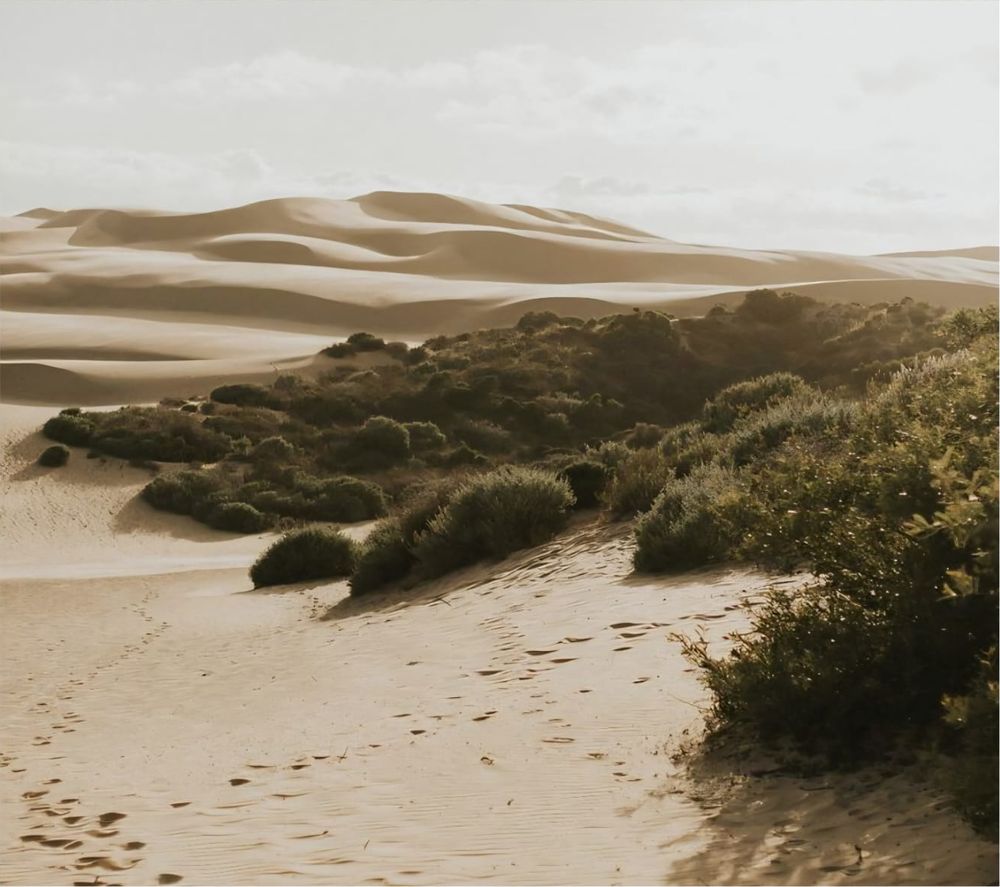
The name comes from a word for low, hollow land. Rainwater once rushed through the area toward the sea, and plants grew thick along its path. According to Kuwaiti historian Yaqoub Al-Ghunaim, Arabs called land like this “majnouna,” meaning crazy.
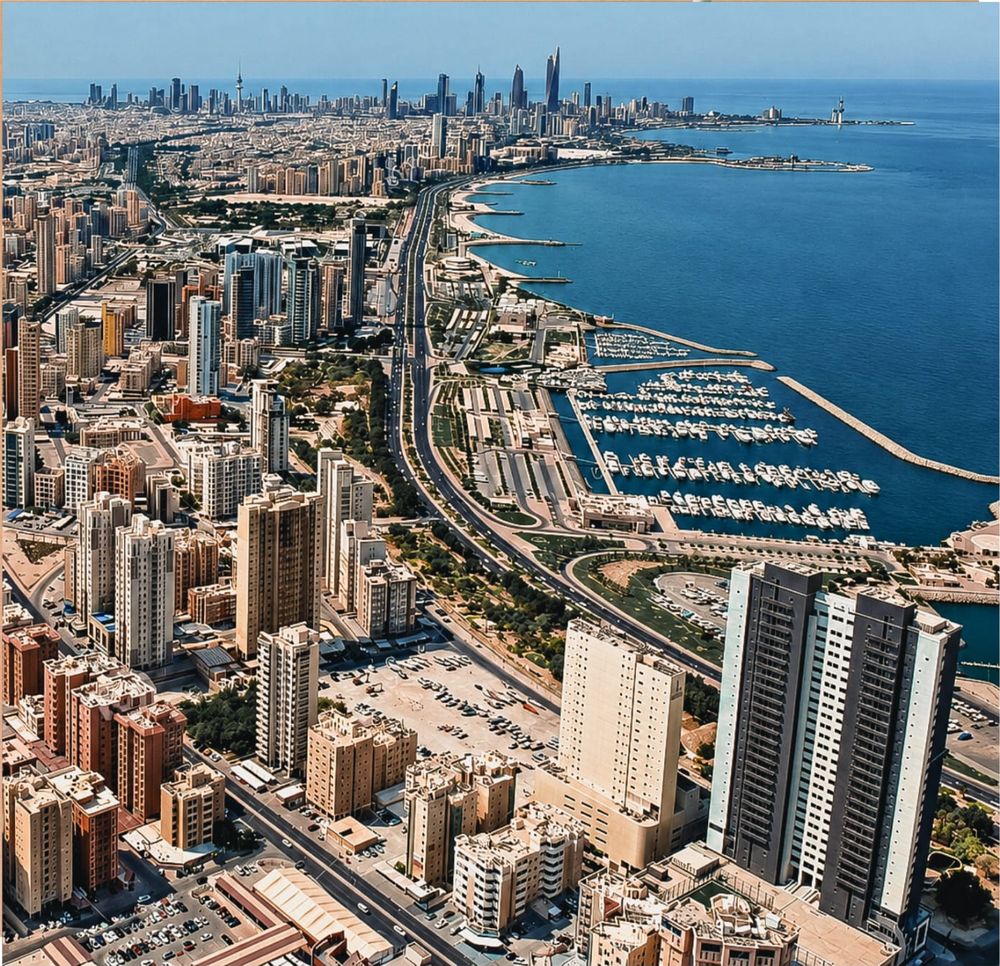
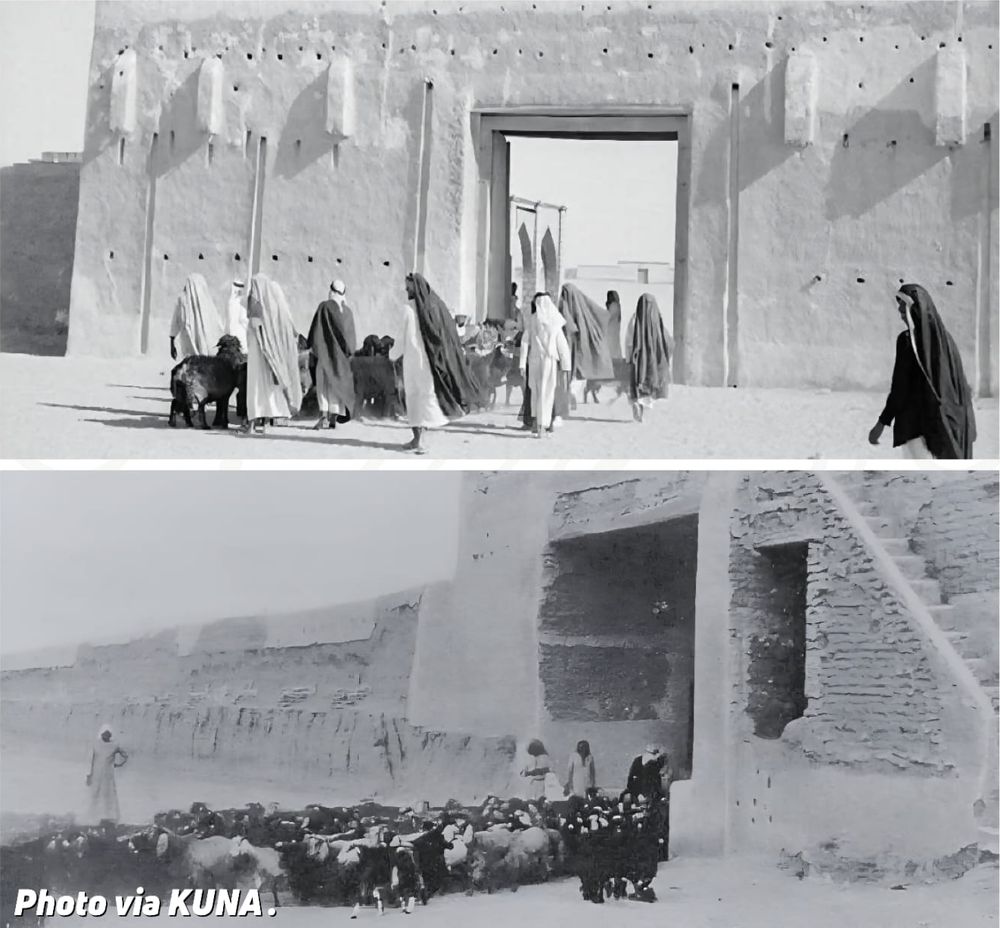
The name means “lookout.” The area sat on high ground inside the old town wall. People climbed it to watch for caravans coming in from the desert and for raiders approaching the town.

A “fintas” is a wooden water tank carried on ships for drinking water. The area had many freshwater wells, where sailors filled their tanks before going to sea. Nearby Funaitees means “little fintas.”

The area was first known as “Al-Dimna.” In the early 1950s it was renamed “Al-Anbara,” but the name did not catch on. It was then renamed Salmiya, after Sheikh Salem Al-Mubarak Al-Sabah. The road signs were reportedly changed overnight.
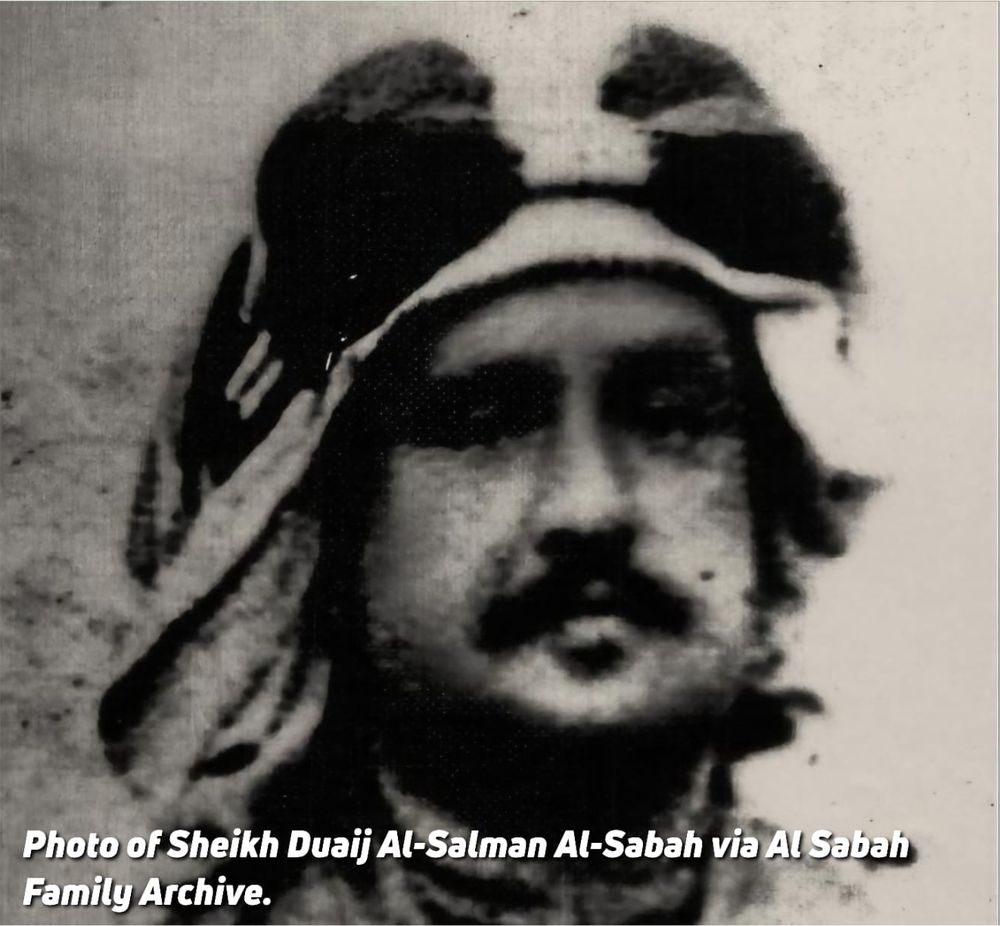
The area is named after Sheikh Duaij Al-Salman Al-Sabah, its first resident. In Kuwaiti dialect, the “j” is often spoken as a “y,” so “Duaij” became “Duaiy.” Over time, the name of the area became Daiya.

The name means “appearance.” Bayan was a high, flat-topped hill. From the top, the low land and houses around it could be clearly seen.

The name describes flat, open land with no trees. That is how the area looked before its farms spread. Fresh water was found close to the surface, which made it a stop for travellers and caravans.
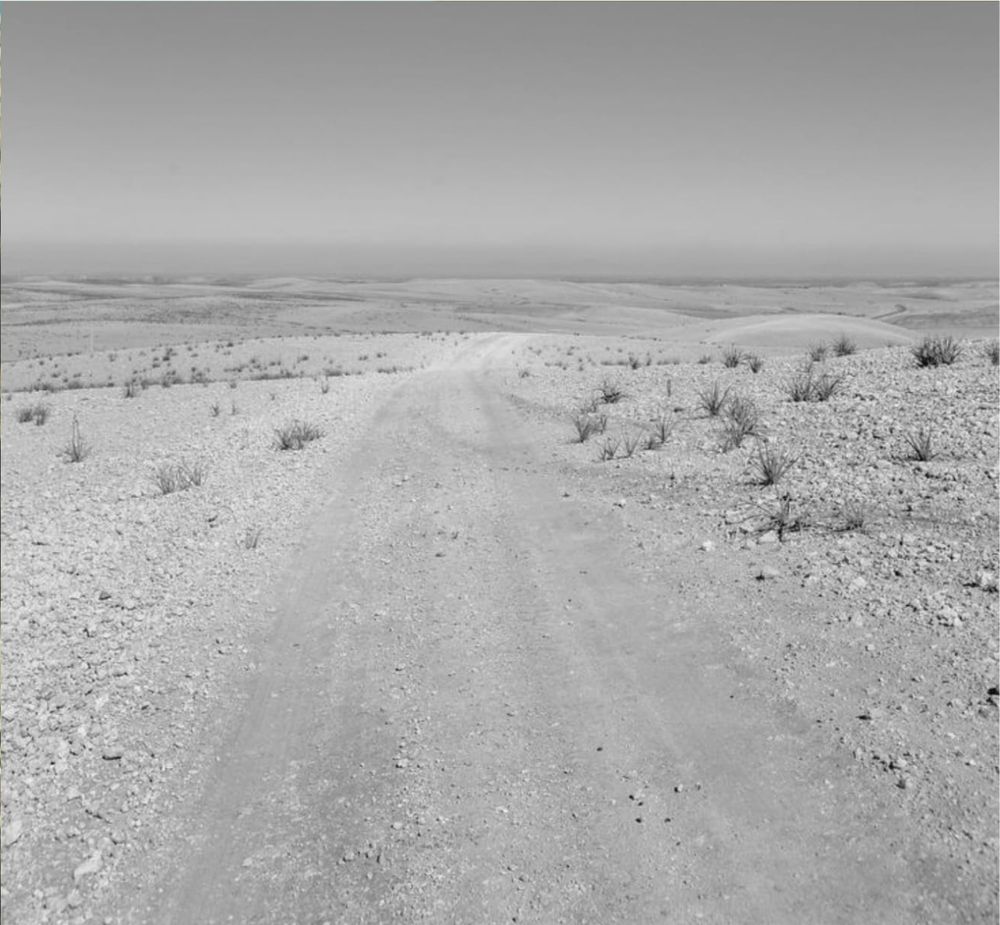
The name comes from “tulu’,” meaning to climb. Mutlaa is a raised ridge north of Jahra. Travellers climbed it on their way north, which is how the area got its name.

The name comes from “salbookh,” a hard white stone. The ground here was full of it. The same stone was also used in building in old Kuwait.
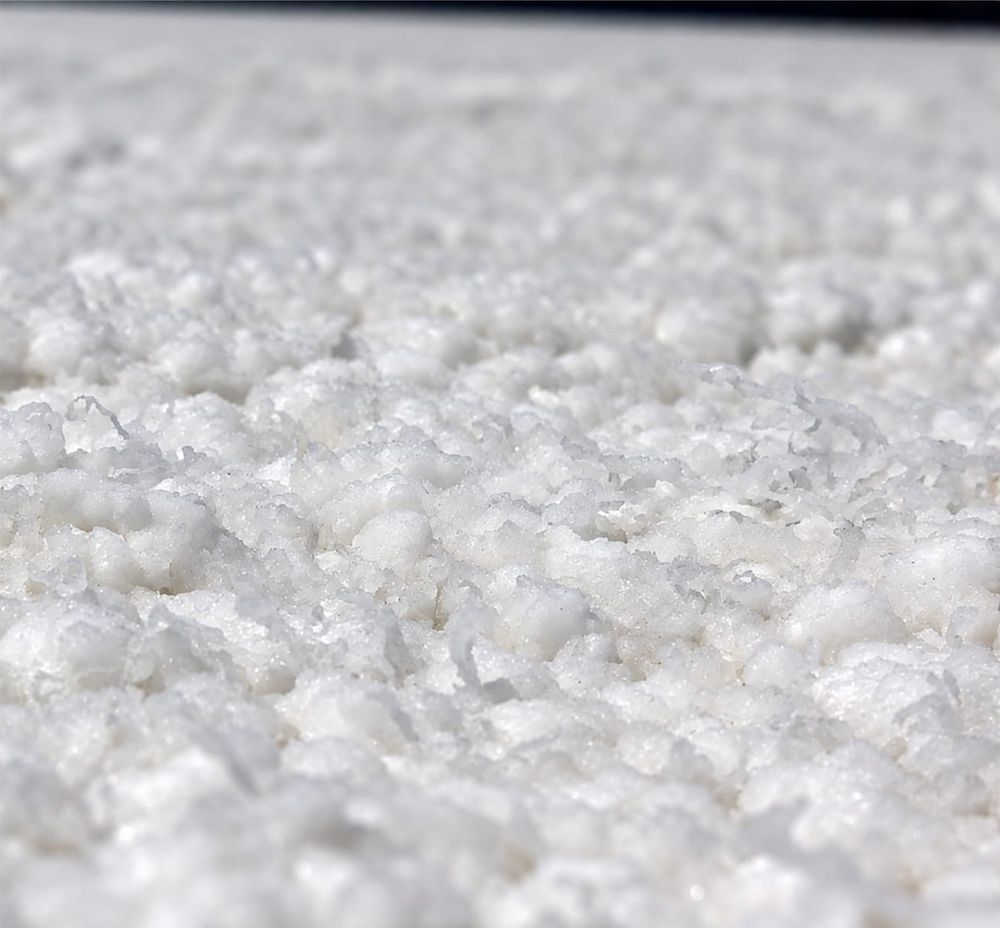
The name comes from “sail,” meaning flood. When it rained, water flowed across the land toward the sea. Over time, it left behind salt flats that can still be seen today.

The name means “small well.” It comes from “uqla,” a well with water so close to the surface that a short rope was enough to reach it. People could draw water using just a camel’s hobble rope.

The area began as a small village after sweet water was found in a farm well in 1906. The name is linked to Hawalli bin Marzoug Al-Azmi, who owned the farm and well. Another account says the name comes from “helw,” meaning sweet, after the water.
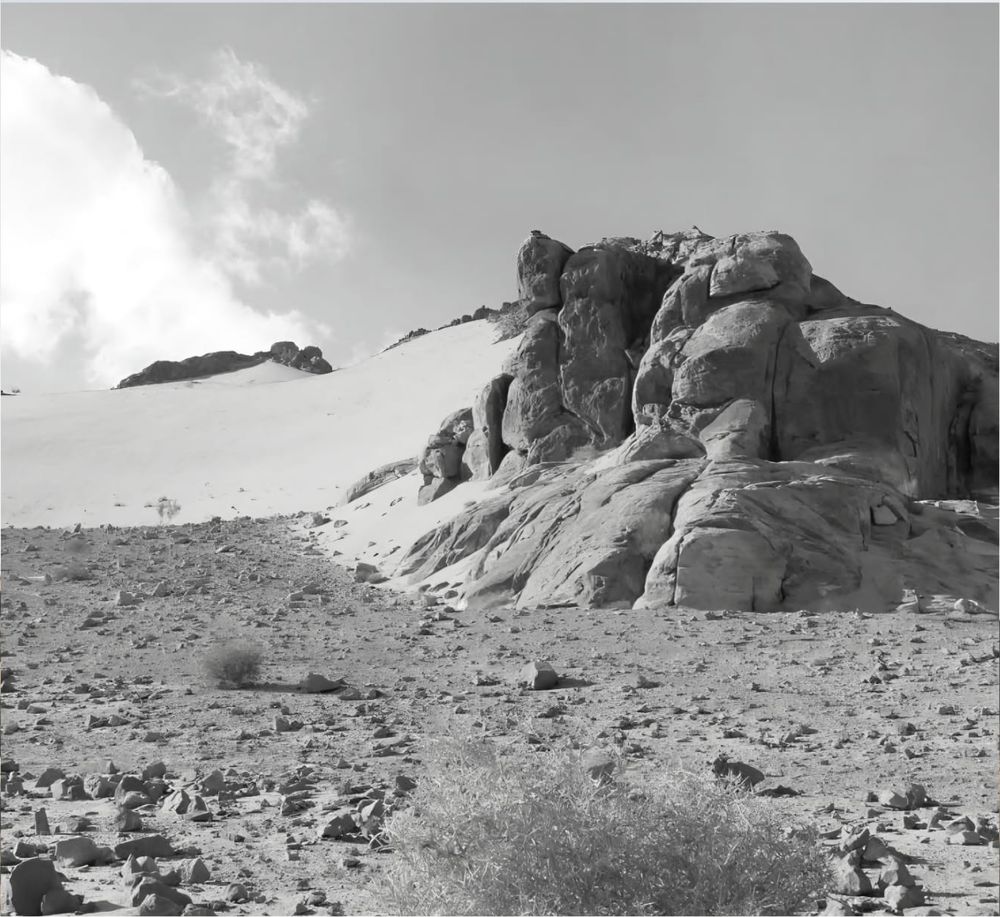
The name means “overlooking.” The area was a high mound with a view over the green land around it. Sheikh Mubarak Al-Sabah built a palace on the high ground, and the name stayed.

The name comes from “halfa,” a type of wild grass that grew in the area. “Abu Halifa” means “the place of the little halfa.” It was one of the old coastal villages of southern Kuwait.

The area was first known as “Matla’ Ayyad.” It later became “Al-Dougha,” after plaster makers left behind pits scarred by fire. In 1962, it was renamed after Surour bin Farwan Al-Mutairi, who lived there and dug a well.
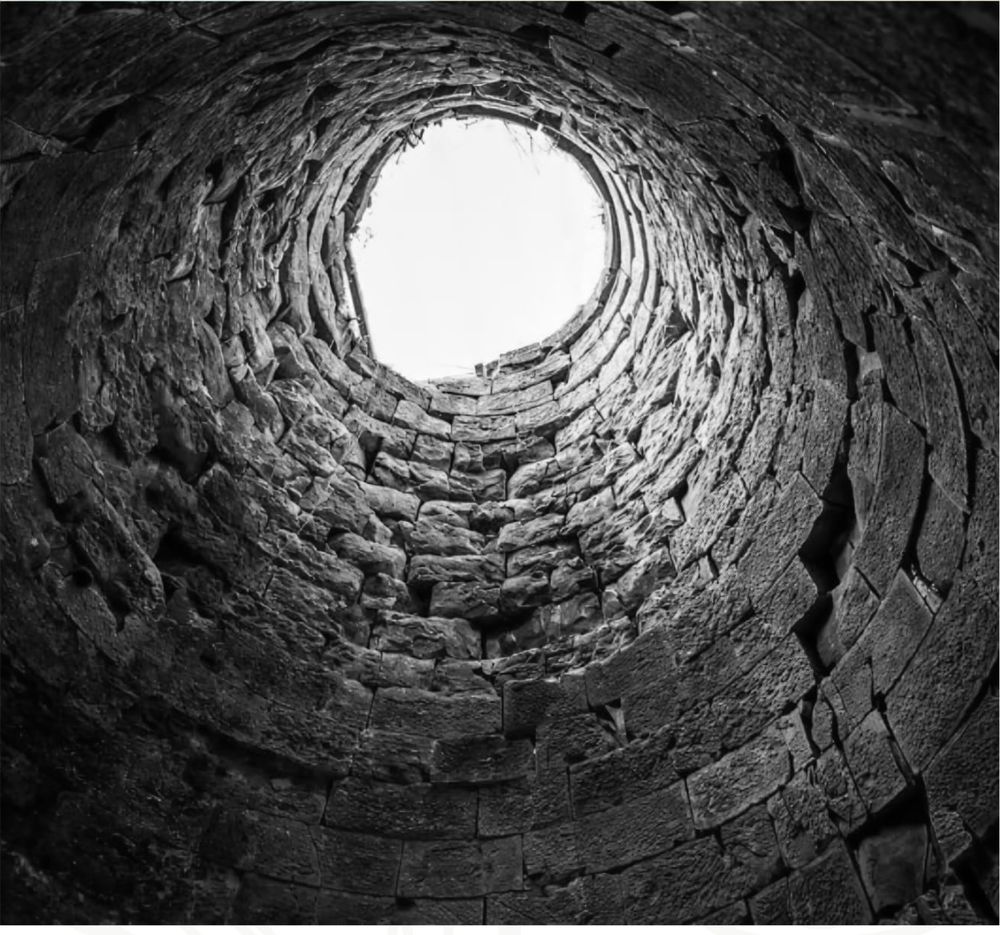
The name means “the sheikhs’ well.” In Kuwaiti dialect, “jleeb” comes from “qaleeb,” meaning well. Most accounts say the well was dug by Sheikh Mohammed and Sheikh Jarrah Al-Sabah, brothers of Sheikh Mubarak Al-Sabah.
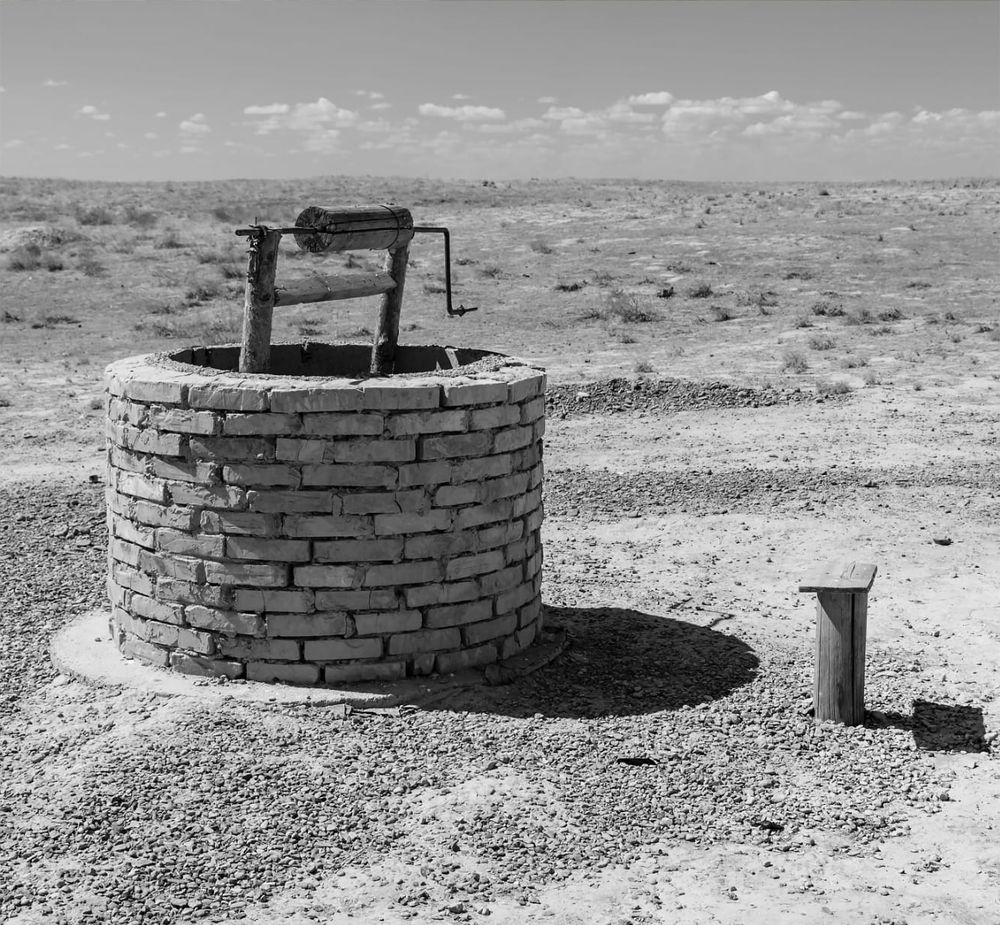
The area is named after Khaitan Al-Otaibi, a farmer who lived there. He built a house and dug a well, and people came to draw water from it. They would say they were “going to Khaitan,” and the name stuck.
In a desert, water decided where people settled. Many of Kuwait’s areas began with a single well.
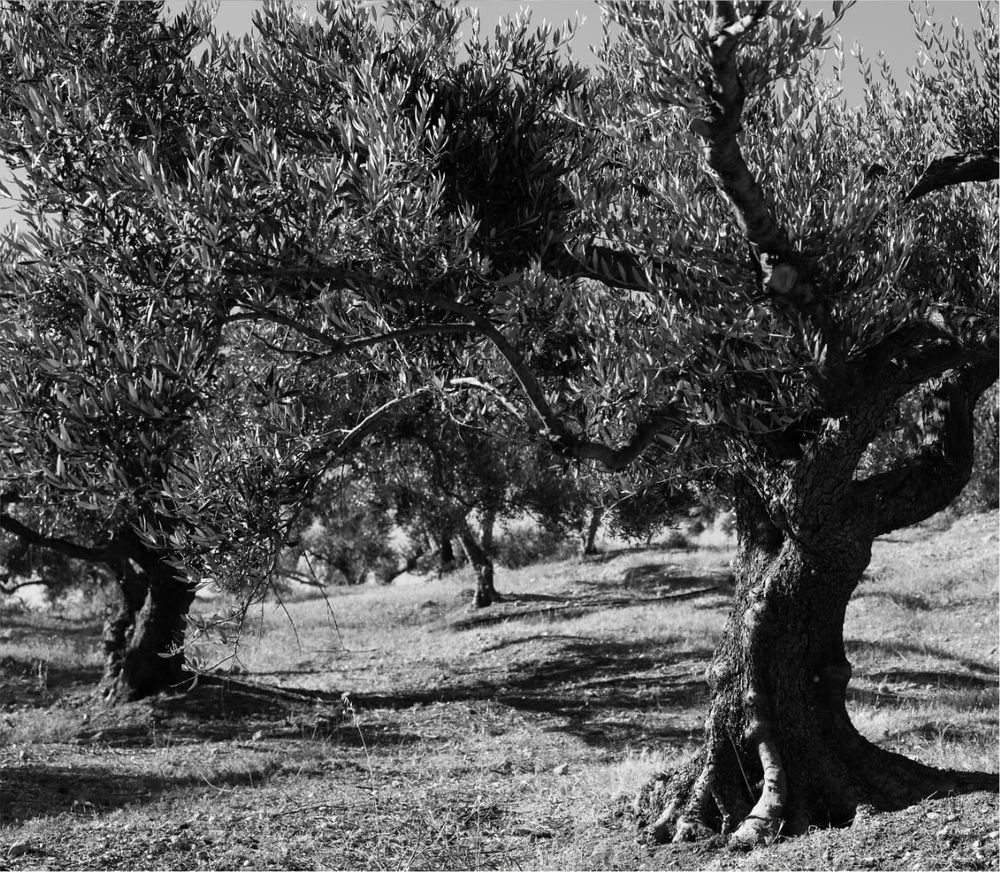
The name means “raised ground,” as the area sits on higher land. It was once known as “Al-Mazra’a,” meaning “the farm,” because of its many plant nurseries. The name was changed to Rabiya in 1974.

The area is named after Abdullah bin Khalaf Al-Aridhi Al-Mutairi, who once lived on the land. It was later bought by Sheikh Sabah Al-Nasser Al-Sabah, but the old name stayed. Today, it covers both the residential and industrial areas of Ardiya.
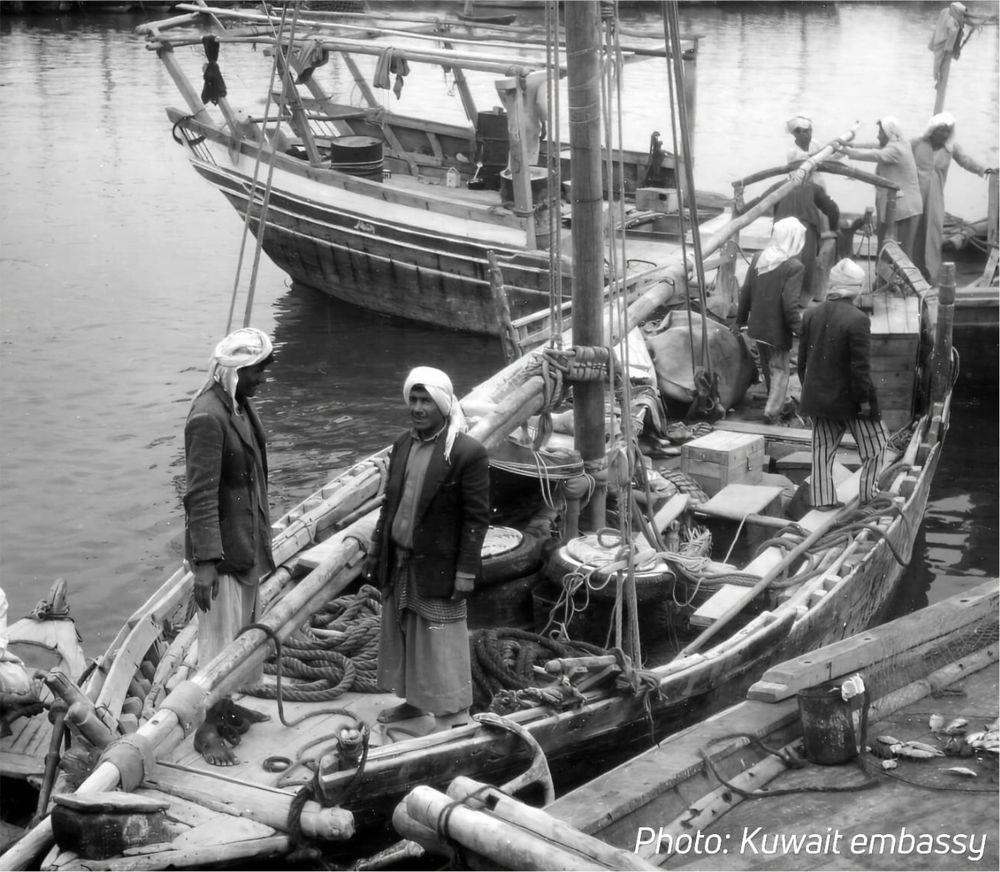
The name means “little sheikh.” The area once had a small port, guarded by men led by a chief named Duaij. Because Duaij was a name used by Kuwait’s sheikhs, people nicknamed him “Shuwaikh,” and the name stayed.

The area was first known as “South Khaldiya.” It was renamed after the Battle of Yarmouk, fought in 636 AD near the Yarmouk River. The Muslim army was led by the Companion Khalid bin Al-Walid (RA).
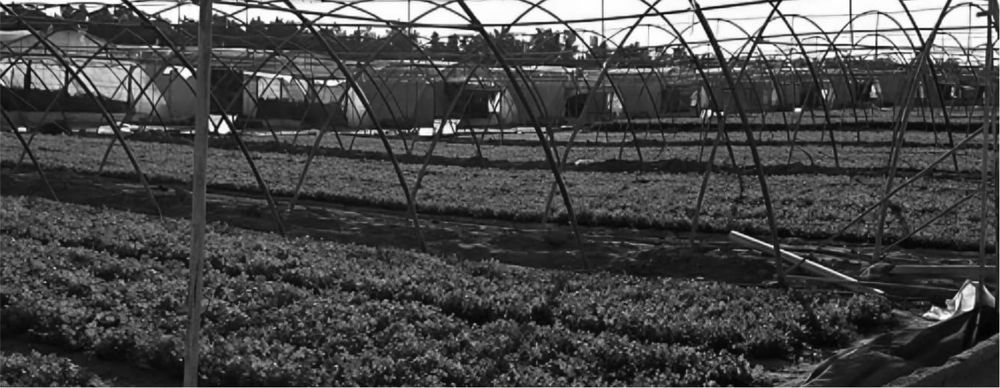
The name most likely comes from “wafr,” meaning abundance, for the large amounts of water stored underground. The area appears in old Arabic texts as “Al-Wafraa.” Today, it is known for its farms.
The area was first known as “Ain Baghzi,” a freshwater spring named after Baghzi Al-Mutairi. When the state built homes nearby, the old name was kept for a short time. In 1982, it was renamed Firdous, meaning paradise.

The area is named after the Battle of Hattin, fought in 1187 near Tiberias. The army was led by Salahuddin Al-Ayyubi. The battle opened the way for the return of Jerusalem to Muslim rule that same year.
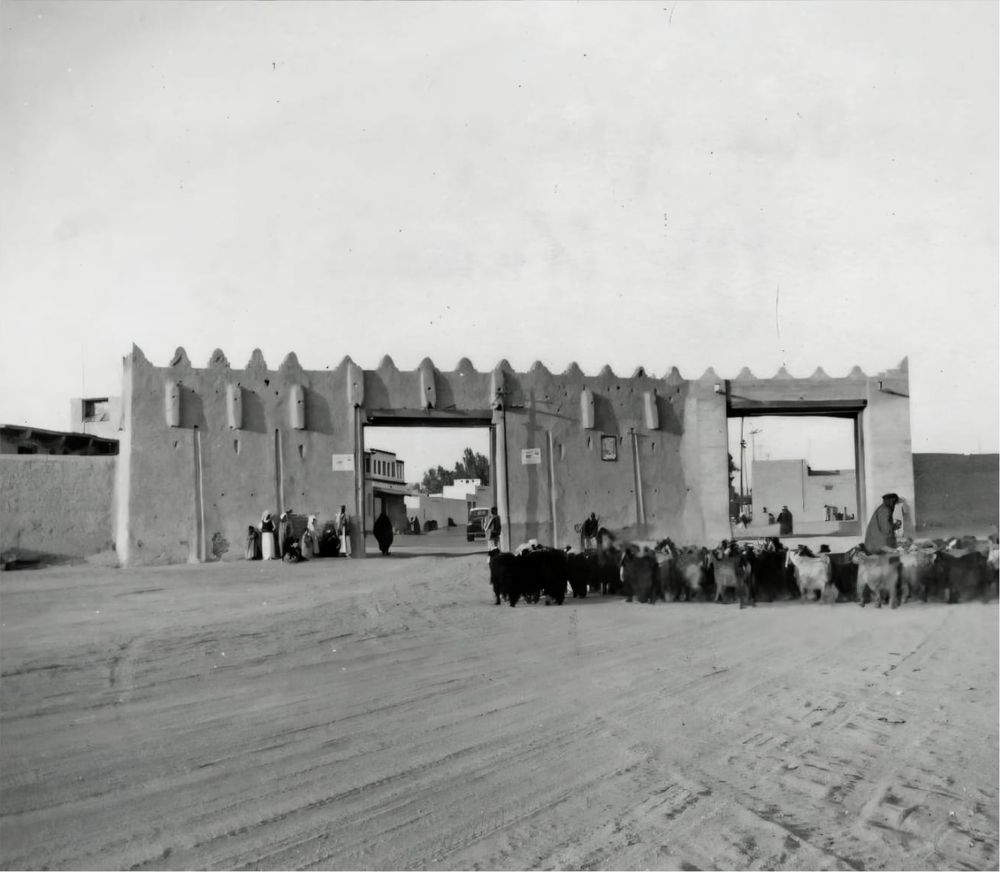
The name means “spacious,” and is said to reflect the area’s well-planned layout. “Al-Faiha” is also a well-known nickname for Damascus. The area lies near the Shamiya Gate, which once faced the road to Al-Sham.

Run Kuwait, 14 November, Green Island.
Rules of thumb that many financial advisors use, on a KD 1,600 monthly income.
Kuwait Nation checked more than 100 cafes and spoke to cafe owners. The answer: roughly 84 minutes.